Thinking about selling your Oro Valley home and wondering how to make it shine? You are not alone. In our desert market, buyers care about light, views, outdoor spaces, and low‑maintenance living. This guide gives you a clear, step‑by‑step plan to prep, stage, and photograph your home so it stands out, shows beautifully online, and sells with confidence. Let’s dive in.
Know the Oro Valley market
Typical home values in Oro Valley sit around the $500,000 to $510,000 range, with listings often taking several weeks to go under contract. Recent snapshots show days‑to‑pending in the many‑weeks range and time on market near two months. Use these figures as context, then confirm timing with your agent before you list.
Seasonality matters. In Arizona, buyer activity often peaks in spring and again in early fall. Summer can slow due to heat and travel, though relocations still happen. Plan 4 to 8 weeks for repairs, staging, and professional media if you want to hit a prime listing window.
Our monsoon season runs from mid‑June through September, with the most active stretch often in mid‑July through mid‑August. That can affect outdoor showings and photography. Check local monsoon timing through the National Weather Service and aim exterior photos for calm mornings or golden hour when possible. You can learn more about monsoon season from the National Weather Service’s Tucson page at Monsoon Information.
Your 8–12 week pre‑listing plan
A great sale starts with a great plan. Work from the outside in, then polish the details.
8–12 weeks: systems and safety
- Schedule a pre‑listing walkthrough or inspection to spot issues early. Prioritize roof tiles, stucco cracks, plumbing, electrical, and termite or wood‑damage items.
- Service the HVAC. Buyers notice air conditioning in a hot‑weather market. Replace filters and keep service receipts ready.
- Fix safety concerns and visible stains from past leaks. Clean, documented repairs reduce negotiation risk later.
6–8 weeks: curb appeal upgrades
- Refresh the entry. Pressure‑wash the driveway and walkways, repaint or refinish the front door, and replace any tired exterior bulbs or fixtures.
- Groom the landscape for a desert‑clean look. Edge and rake gravel, trim prickly plants away from walk paths, and open view lines to mountains if possible.
- Prep outdoor living. Clean patios and shade structures so buyers can picture morning coffee or sunset dinners outside.
- If you are in an HOA or age‑restricted community, submit exterior modification requests early and confirm any sign or photography rules before work begins.
4–6 weeks: interior polish
- Declutter and depersonalize. Pack excess items, remove most personal photos, and aim for clean counters and simple decor. Decluttering is one of the most commonly recommended steps in the National Association of Realtors’ staging research. See the NAR Profile of Home Staging for more on seller prep at Profile of Home Staging.
- Touch up paint in neutral, light‑reflective tones that suit warm desert light. Repair sticky doors and drawers. Replace torn screens and refresh grout and caulk.
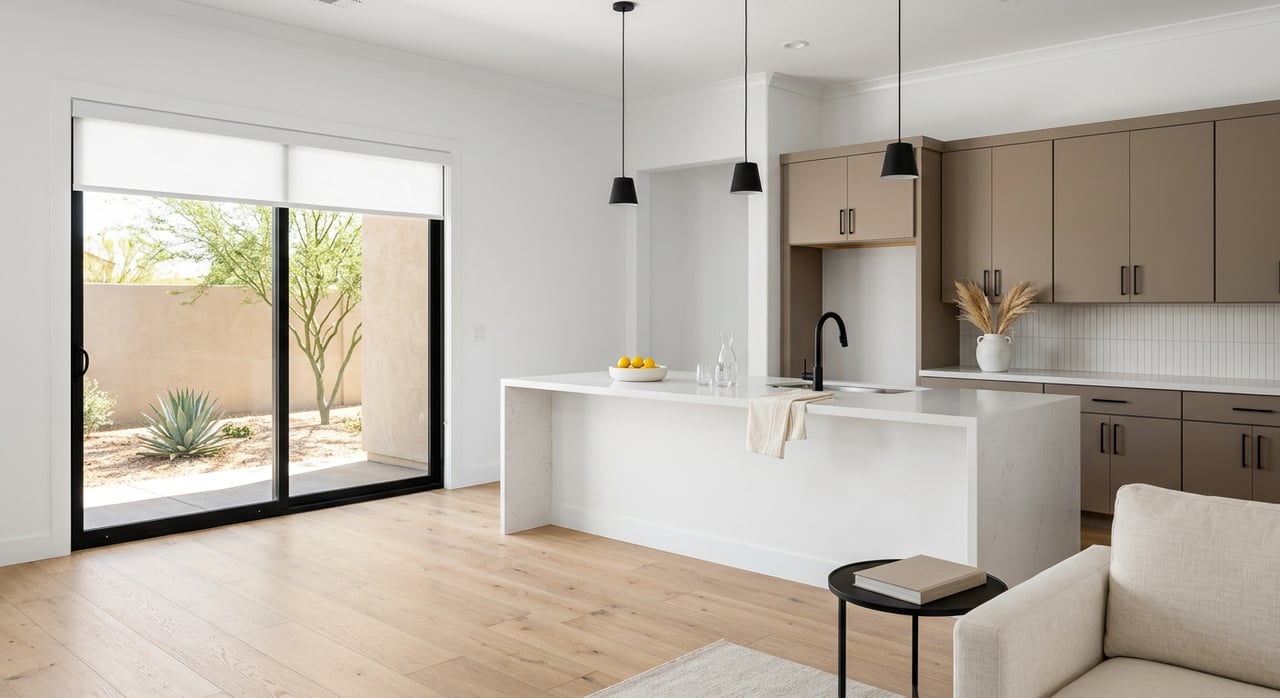
- Check blinds and shades. Let in natural light while reducing glare. Consider swapping heavy curtains for lighter, neutral window treatments.
1–2 weeks: staging, cleaning, and media
- Book a professional deep clean and neutralize odors. Keep the air fresh and unscented.
- Stage priority rooms first. The living room, primary bedroom, and kitchen have the most impact for buyers. NAR survey findings show many agents link staging to faster sales and modest value lifts. Read the NAR newsroom summary at NAR Report on Staging.
- Schedule photography for early morning or late afternoon to avoid harsh overhead light. If you have a pool or view, consider twilight images.
- Final photo‑day checklist: remove cars, hide bins, put away pet items, open curtains, and turn on all lights.
Desert‑smart curb appeal that sells
Oro Valley buyers appreciate easy‑care outdoor spaces. Xeriscape is a plus because it looks clean and reduces water use. The Arizona Department of Water Resources has useful guidance on drought‑tolerant plants and drip irrigation. Explore water‑wise ideas at ADWR Landscaping.
Show the lifestyle your lot supports. Stage a shaded seating area, clean the grill, and add potted native succulents at the entry. If your yard frames Catalina or Tortolita views, prune thoughtfully to reveal sightlines. Nearby trail systems and bike paths, including segments of The Loop, help many buyers picture an active lifestyle. For community context, see the Town’s update on trail connections at Oro Valley’s Loop Connection.
Know the rules on native plants
Saguaros and several other native species are protected in Arizona. Do not remove or relocate large cacti without checking state rules and permits. The University of Arizona Cooperative Extension provides a clear overview of what is allowed and when permits are required. Review the guidance at Arizona Native Plant Law.
If you need to adjust a significant cactus for safety or staging, consult a licensed cactus professional and confirm HOA and state requirements before any work. Avoid DIY removal.
Pools, shade, and show‑ready hardscape
A clean, sparkling pool with tidy decking reads as low‑maintenance and inviting. Keep equipment serviced and gather recent maintenance records for buyers. Wipe outdoor dining tables, sweep patios, and ensure landscape lighting works for twilight showings and photos.
Staging choices that move the needle
Not every surface needs replacing. Focus on what buyers notice in photos and during the first five minutes of a showing.
- Prioritize the living room, primary bedroom, and kitchen. These spaces anchor buyer decisions and align with NAR’s reported staging priorities.
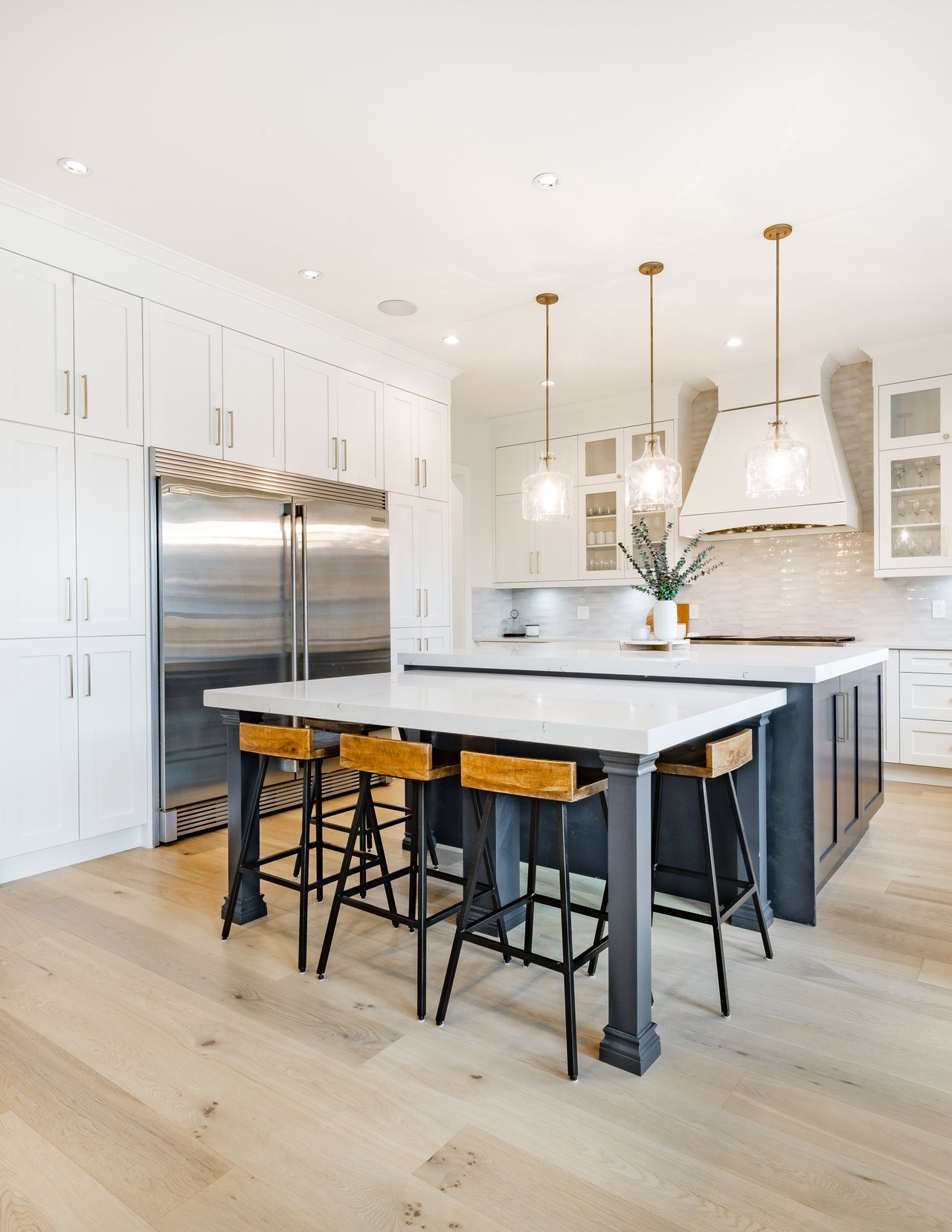
- Keep a light, neutral palette. Add warmth with textured throws, simple art, and greenery. In the desert, less is more.
- Edit furniture to improve flow. Create easy pathways and sightlines to windows, patios, and views.
- Consider targeted rentals or rearrangements. If your budget allows, professional staging can be money well spent. NAR reports a median stager cost around $1,500, and many agents observe reduced time on market and modest offer lifts on staged listings. See the staging impact overview at NAR Report on Staging.
Virtual staging can help vacant homes stand out online. For in‑person impact, physical staging still performs best where budget permits.
Photos and tours that drive traffic
Most buyers begin online, and high‑quality images are the first filter. Invest in professional photography and plan the shoot to match the desert light.
- Use early morning or late afternoon for exteriors. This captures softer light and mountain color.
- Capture lifestyle vignettes. A shaded patio, a sunrise view over the Catalinas, or an evening pool glow can be the hero shot.
- Add a floor plan or 3D tour if possible. Remote and seasonal buyers value the clarity and will shortlist faster.
- Consider drone only if it adds clear value, such as showcasing a large lot or unobstructed views. Confirm HOA and local rules before flying.
Pricing and strategy with staging
Staging is not a substitute for smart pricing. It supports faster market response and can help buyers connect with your home, which often leads to stronger offers. Pair a polished presentation with pricing that reflects your micro‑market and recent nearby sales.
Our team leans into professional listing presentation and design‑forward marketing. That includes hands‑on prep guidance, trusted vendor referrals, strong photography, and thoughtful online exposure through our brokerage network. The goal is to remove friction for buyers and position your home to compete at the top of its segment.
Quick 8‑week checklist
- Pre‑listing inspection and repair plan.
- HVAC service and filter replacement, plus receipts.
- Roof, stucco, and termite fixes as needed.
- Declutter and depersonalize main living areas.
- Neutral paint touch‑ups and small repairs.
- Pressure‑wash hardscape and refresh the front door.
- Tidy gravel beds and prune for clean sightlines.
- Stage the living room, primary bedroom, and kitchen.
- Professional photos, plus twilight if you have a pool or views.
- Add a floor plan or 3D tour when possible.
Ready to sell in Oro Valley?
If you want a calm, step‑by‑step path that puts your home’s best features forward, we are here to help. The Emily & Eric Team pairs neighborhood‑level expertise with white‑glove listing presentation to maximize your result. For a tailored prep plan and pricing strategy, reach out to Emily Erickson to Request Your Home Valuation.
FAQs
What is the best month to list in Oro Valley?
- Spring and early fall often bring strong buyer activity in our market. Summer can slow due to heat and travel. If you are listing in summer, plan morning showings and early or late‑day photography to avoid harsh light and monsoon storms.
How much should I spend on staging before selling?
- NAR reports a median professional stager cost around $1,500. If your budget is limited, focus on the living room, primary bedroom, and kitchen. Decluttering and deep cleaning offer strong returns at low cost.
Do I need a pre‑listing inspection in Arizona?
- It is not required, but a pre‑listing walkthrough or inspection helps you fix issues on your timeline and can reduce negotiation risk later. Many sellers find it shortens time on market.
What should I know about saguaros on my property?
- Saguaros and other native plants are protected. Do not remove or relocate them without checking state permitting rules. Review the University of Arizona’s guidance and consult licensed professionals before any cactus work.
How do I prep my pool for showings and photos?
- Keep water crystal‑clear, vacuum regularly, and ensure equipment is working. Tidy the deck, store pool tools, and consider twilight photos to showcase lighting and ambiance.
When should I schedule photography in the desert?
- Aim for early morning or late afternoon for exteriors. Use twilight if you have a pool or strong outdoor lighting. Open curtains, turn on all interior lights, and remove cars and bins for a clean look.